And today, we’re going to break it all down for you and explain why this happens. If you’re concerned that your tremors might be the result of withdrawal, it’s best to reach out to a healthcare professional. While you can usually manage alcohol withdrawal syndrome on your own, it can be quite uncomfortable. Plus, in some cases, it can involve more severe symptoms, like mental confusion, hallucinations, or seizures. Low blood sugar might also play a role, as alcohol can have an impact on your body’s ability to monitor blood sugar levels.
This facilitates heat loss and also explains why your face looks flushed when you have been drinking. Many heat sensing nerves are located near the surface of the skin. In fact, while you get the feeling of warmth from alcohol, it is really https://ecosoberhouse.com/ unsuitable because it allows the cold to enter the body. Acetaldehyde is the root cause of an alcohol flush, and it’s also responsible for other negative side effects of alcohol consumption, like nausea, headache, and rapid heartbeat.
How are hangovers diagnosed?
Accumulation of acetaldehyde, an alcohol metabolite, can cause headaches. Acetaldehyde is a reactive chemical compound that has biological potencies. At high concentrations, hours or days after drinking episodes, individuals may begin sweating, nauseating and skin flushing. Alcohol intolerance can cause immediate, uncomfortable reactions after you drink alcohol. The most common signs and symptoms are stuffy nose and skin flushing. Excessive drinking combined with the cold can lead to hypothermia, which occurs when your body temperature drops so low that it causes a cardiac arrest.
Normally this enzyme helps metabolise alcohol until it’s completely eliminated from the body. However, in those with this liver enzyme deficiency (sometimes referred to as an ALDH2 deficiency) why does alcohol make you hot a toxic byproduct begins to build up in their system. You can read the in-depth Expert’s Guide to Breaking down Acetaldehyde to find out more about this harmful chemical.
How to Cool Down After Drinking Alcohol
If you or someone you love is dealing with drinking or substance use that has gotten out of hand, there are confidential treatment options available. Alcohol is often used as a social lubricant by people who want to feel more at ease in group gatherings, said Miao. Some people consume it to unwind from stressful situations or because it’s intertwined with social events like meals and parties. Naimi said the guidelines are not meant to prohibit people from consuming alcohol, but to inform them about why “less is better,” which is the report’s main motto.
- This is a really exothermic process which means it produces a lot of heat.
- In other words, alcohol tends to move heat to the perimeter of your body—making you feel warmer, while the core of your body is actually cooling down.
- In some cases, the doctors will prescribe the detoxification to remove alcohol from the body.
- You can now get weekly coaching support, anti-craving medications, handy digital tools, and more—all from an app on your smartphone.
The fact that ethanol is created from sugars is also likely to increase our propensity to drink. For example, research suggests that some individuals have a predisposition to prefer sugar and this can make them more prone to developing alcohol addiction. Alcohol also seems to act on some of the same brain areas activated by sweet tastes.
Why Do I Sweat When I Drink Alcohol?
On the other hand, if you find yourself sweating the morning after you drink, this is likely a hangover symptom. A major hangover can actually result in a low-grade fever due to a blood sugar drop, dehydration, or even an immune response. Another common side effect from drinking alcohol is sweating. This is your body’s way of lower your temperature through sweat. There are a few reasons why you might get sweaty when drinking alcohol, and many of these reasons are interdependent.
For more information about alcohol and cancer, please visit the National Cancer Institute’s webpage “Alcohol and Cancer Risk” (last accessed October 21, 2021).
Treatment Process
You’ve probably heard that drinking plenty of water while drinking alcohol is important. Hopefully, you read our post about dehydration and alcohol and know that alcohol doesn’t actually cause dehydration, and that this tip is more about helping your body process alcohol. If you want to minimise how hot you get when drinking, try drinking alcohol slower.
- If you experience frequent night sweats due to drinking, you may have a drinking problem.
- If your clothing or your bedroom temperature causes you to sweat, it’s not considered night sweats.
- They can discuss your problem with you and arrange appropriate treatment.
- This can mean releasing needed heat through sweating, and even blocking shivering when it’s cold, making it harder to warm up.
- If your shakes last longer than 24 hours, or if you’re concerned that they might be a sign of withdrawal, it’s best to talk with a healthcare professional as soon as possible.
People may not realize that because of this, they are at risk of hypothermia in cold weather. During hot weather, they may begin to experience nausea and dizziness with dehydration in addition to sweating. This is particularly true for the tiny capillaries located just below the skin’s surface. The normal thermostatic control of the body is altered by alcohol ingestion. The blood vessel dilation allows a greater amount of blood volume to be brought to the skin’s surface.
Why Do I Sweat A Lot After Drinking Alcohol?
While this may look like an advantage, it can actually be dangerous. People experiencing mild night sweats from occasional alcohol consumption may find relief using home remedies. A person may not experience any symptoms or signs of liver damage or scarring, which people call cirrhosis, until the liver is badly damaged.
- Alcohol detox isn’t easy and not everyone can do it on their own.
- If you feel these types of symptoms when drinking alcohol, but to an extreme level, it’s important to speak to your doctor before drinking alcohol again.
- While it’s trying to do this, the liver itself can give off heat.
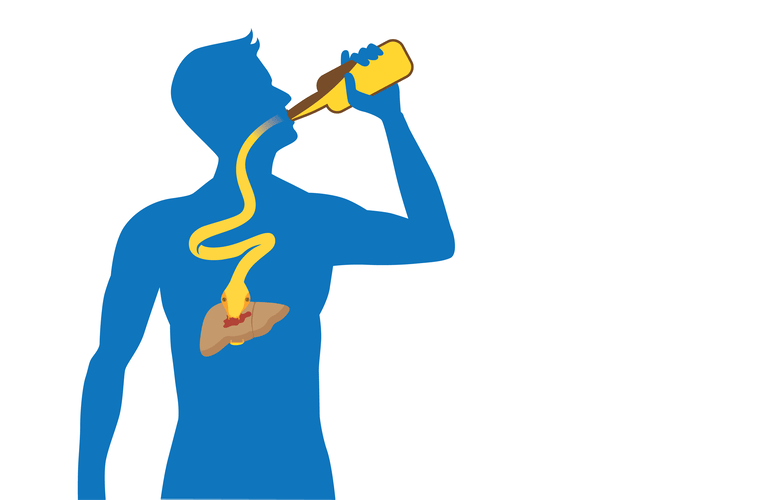
- During alcohol metabolism, the enzyme alcohol dehydrogenase (ADH) converts alcohol to acetaldehyde, a toxic molecule.
- Hangovers after a single night’s drinking go away on their own.